A tool, a vehicle part, a machine or a household product was supposed to be safe, and instead it sent someone you love to the hospital. A San Angelo product liability lawyer can find out who in the supply chain is legally responsible and whether they can be made to pay for it.
Templeton Law Firm represents injured people across San Angelo, Tom Green County and West Texas in claims against manufacturers, component makers, distributors and sellers. Scott Templeton has practiced injury and insurance law here since 1998, and there is no attorney's fee unless the firm recovers compensation for you.
Call 325-482-9120 to have your case evaluated.
Do I have a product liability case in Texas?
You likely do if a product was defective when it left the company that made or sold it, and that defect caused your injury. Texas does not require proof that the company was careless. It requires proof that the product was unreasonably dangerous and that the danger produced the harm.
The two questions that decide most cases are whether the product itself failed, or whether it was misused, and whether the evidence still exists to show which. Both get answered faster with the product preserved and an early investigation.
Who can be held responsible when a product causes injury?
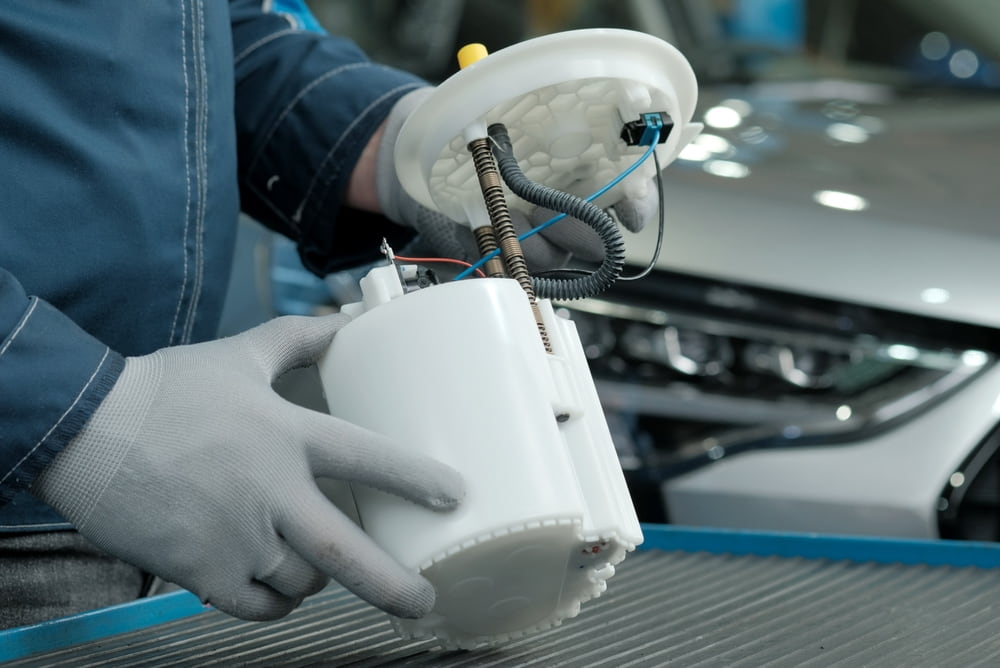
Liability runs up and down the chain, not just to the brand on the box. Texas law allows claims against the manufacturer of the finished product, the manufacturer of a defective component inside it, the company that assembled or installed it, the distributor, and in specific situations the retailer.
Finding every responsible party matters for one practical reason: insurance. A small regional distributor and a national manufacturer carry very different coverage, and the case is only worth what someone can actually pay.
Can you sue the store that sold the product?
Only in defined situations. Texas generally protects sellers who did nothing but pass the product along, but Civil Practice and Remedies Code Section 82.003 lists seven circumstances where a nonmanufacturing seller can still be held liable.
A seller stays in the case when it participated in the design, altered or modified the product, installed it on another product, controlled the warnings or instructions that turned out to be inadequate, made an incorrect factual claim about the product that the buyer relied on, actually knew about the defect when it supplied the product, or when the manufacturer is insolvent or beyond the court's reach.
That last one comes up constantly with equipment imported from overseas.
What if the manufacturer is out of business or based overseas?
The claim does not automatically die. When a manufacturer is insolvent or cannot be hauled into a Texas court, the statutory shield around the seller falls away and the seller can be held liable directly.
Texas also imposes an indemnity duty running from manufacturers to innocent sellers, which is one reason distributors and retailers often push hard to bring the manufacturer into the case themselves.
Three legal theories Texas allows in a product case
A strong case usually pleads more than one. Each carries a different burden and attracts a different set of defenses, so relying on a single theory narrows your case unnecessarily.
Strict liability. The product was defective and unreasonably dangerous, and the defect caused the injury. Whether the company was careful is beside the point.
Negligence. The company failed to use reasonable care in designing, manufacturing, testing, inspecting or warning about the product.
Breach of warranty. The product failed to live up to an express promise made about it, or failed to meet the basic implied standard that goods are fit for ordinary use.
Pleading all three matters because a defense that defeats one may leave the others standing.
What has to be proven to win a defective design claim?
Texas sets a specific statutory test for design cases, and it is stricter than most people expect. Under Section 82.005, the injured person must prove there was a safer alternative design and that the defect was a producing cause of the injury.
A safer alternative design means a design that, in reasonable probability, would have prevented or significantly reduced the risk without substantially impairing how useful the product is, and that was economically and technologically feasible at the time the product left the company's control.
In practice that means an engineer has to be able to show the jury a better guard, a better shutoff, a better material or a better layout that the company could have used and did not. This is why product cases require expert investment early, and why a firm has to be willing to make it.
Does it matter that the product met federal safety standards?
It matters, but it does not end the case. Texas law creates a rebuttable presumption that a product is not defective when it complied with mandatory federal safety standards or regulations that applied to the specific risk that caused the harm.
Rebuttable means the presumption can be overcome. Common ways to overcome it include showing the federal standard was inadequate to protect against the risk, or showing the company withheld or misrepresented information from the regulator.
What happens if I was partly at fault?
You can still recover, as long as your share of responsibility is not more than 50 percent. Chapter 33 of the Civil Practice and Remedies Code bars recovery when the claimant's percentage of responsibility is greater than 50 percent, and reduces the award by whatever percentage is assigned below that line.
| Your assigned share of fault | Effect on a $200,000 verdict |
| 0% | $200,000 |
| 20% | $160,000 |
| 50% | $100,000 |
| 51% or more | No recovery |
Expect the defense to argue misuse, modification, or ignored warnings. That argument is not a reason to stay quiet about your case. It is a reason to document what actually happened before memories and evidence fade.
Call 325-482-9120 before you talk to the manufacturer's investigator.
What can a product liability claim recover?
Texas allows recovery for both the financial losses and the human ones. The categories break down as follows.
Economic damages cover medical bills already incurred, the cost of future treatment, lost wages, reduced earning capacity, and property damage. Non-economic damages cover physical pain, mental anguish, disfigurement, physical impairment and loss of enjoyment of life.
When a defective product kills someone, Texas wrongful death law allows the surviving spouse, children and parents to bring a claim for their own losses, and a separate survival claim allows the estate to recover for what the person suffered before death. Exemplary damages are available in narrow circumstances involving gross negligence.
Serious product injuries frequently belong within a broader San Angelo personal injury claim when multiple parties contributed to the harm.
How long do I have to file a product liability claim in Texas?
Two years from the injury, with a separate 15-year outer limit tied to when the product was sold. Both deadlines have to clear, and missing either one usually ends the claim regardless of how strong it is.
| Deadline | What it measures | The rule |
| Limitations period | Time from the injury | Two years for personal injury and wrongful death |
| Statute of repose | Time from the sale of the product | 15 years from the date the defendant sold it |
| Minors | Time from the injury | The limitations clock is generally tolled until age 18 |
The 15-year rule in Section 16.012 has exceptions worth knowing. If the manufacturer or seller expressly warranted in writing that the product had a safe useful life longer than 15 years, the longer period applies. There is also an exception for latent disease claims where symptoms did not appear in a way that would put a reasonable person on notice.
Older farm equipment, shop machinery and oilfield tooling in West Texas frequently sit right on the edge of that 15-year line, which is why the purchase date is one of the first things worth tracking down.
From the first call to resolution
It starts with the product, not the paperwork. Preserving the item, its packaging, its manual and the scene is the single most valuable thing that happens in the first week.
From there the work moves to identifying every entity in the chain of distribution, retaining the right engineering expert for the failure mode, quantifying medical and wage losses, and putting the claim to the insurers.
Discovery is where product cases turn. A manufacturer's internal files often contain earlier complaints, warranty data, failure analyses and design change records that never reached the public. Those documents do more to move a case than any argument made in a demand letter.
If the offer on the table does not reflect what a Tom Green County jury would do with those facts, the case gets filed and worked toward trial. Most product claims still resolve before that point. They resolve better when the other side believes trial is genuinely on the table.
Why West Texas families bring product cases to this office
Because the case is handled by the lawyer you actually hired. Scott Templeton is a San Angelo native who took his B.A. in English and History at Angelo State University and his Juris Doctor from St. Mary's University School of Law in San Antonio in 1998.
He has spent more than 25 years working through the tangle of contracts, insurance policies, medical bills and liability questions that follow a serious injury.
Cases filed here are heard in the Tom Green County district courts at the courthouse on West Beauregard. Local knowledge matters when the other side is a national manufacturer with no connection to this community and every incentive to wait you out.
If you are still trying to work out whether the item that hurt you was defective at all, the firm's page on defective products and recalls in San Angelo walks through how a defect gets identified and proven.
Product liability questions people ask
The company offered to replace the product. Should I take it?
Be careful. Accepting a replacement often means handing over the only physical evidence in your case, and some replacement offers come attached to a release of claims. Get the paperwork reviewed before you sign or ship anything.
Do I need the receipt to bring a claim?
No, though it helps. Serial numbers, model plates, credit card records, warranty registrations and even the retailer's own purchase history can establish where and when the product was sold.
Can I bring a claim if the product was used, borrowed or secondhand?
Often yes. Texas product liability law follows the product, not the purchaser, so bystanders and later users can have claims. The 15-year repose period runs from the defendant's sale, which makes the original sale date a critical fact in secondhand cases.
What if the injury happened at work?
You may have both a workplace claim and a separate claim against the equipment manufacturer. Those run on different tracks, and pursuing one does not automatically forfeit the other. The firm's page on workplace accidents in San Angelo covers how those claims fit together.
How much does it cost to hire the firm for a product case?
Product injury cases are handled on a contingency fee, which means there is no attorney's fee unless a recovery is made. The initial consultation is free, and the case expenses, including experts, are advanced by the firm.
Have the product looked at before anything gets thrown away
Manufacturers have investigators, engineers and lawyers working the file within days. The evidence that decides these cases tends to disappear during the same window.
Templeton Law Firm is at 905 S. Abe Street in San Angelo, open Monday through Friday, 9 AM to 5 PM. Call 325-482-9120 or tell the firm what happened through the contact page for a free case review.