Being hit by a car while you were on foot is frightening, and the questions afterward can feel just as heavy. Templeton Law Firm helps people hurt as pedestrians in San Angelo and throughout West Texas recover the money they need to heal.
As a San Angelo pedestrian accident lawyer, Scott Templeton handles these claims from the first insurance call through trial if it comes to that. If you or someone you love was struck while walking, jogging, or crossing a parking lot, call +1 (325) 482-9120 to talk with Scott about what happened.
Do You Need a Lawyer After Being Hit by a Car While Walking?
Often, yes. Pedestrian injuries tend to be serious, and the driver's insurer starts by asking whether you were where you were supposed to be. Without evidence pushing back, that right-of-way question can shrink or erase a claim.
A lawyer also solves a problem many people don't expect: figuring out which insurance policies apply. A pedestrian may be able to draw on the driver's coverage, their own auto policy, and sometimes a household member's policy, even though their own car was nowhere near the crash.
What a Pedestrian Claim Can Cover
Texas law lets an injured pedestrian seek payment for:
- Hospital bills, surgery, therapy, and future medical care
- Lost wages and lost ability to earn in the future
- Physical pain, mental anguish, and physical impairment
- Disfigurement, such as scarring from road rash or surgery
The right number depends on the injury and the evidence, and no lawyer can promise a specific outcome. Building the full list from day one keeps the insurer from valuing only the first emergency room bill.

Who Had the Right of Way?
The answer depends on where you were crossing and what the signals showed. Texas spells out pedestrian rules in Chapter 552 of the Transportation Code, and drivers have their own duties in other sections.
This table shows how the rules play out in common situations.
| Where You Were | General Texas Rule | Who Must Yield |
| Crossing on a "Walk" signal | Drivers must stop and yield to a pedestrian facing a Walk signal | Driver |
| In a crosswalk with no working signal | Drivers must yield when the pedestrian is in their half of the road or close to it | Driver |
| Crossing mid-block, away from any crosswalk | The pedestrian must yield to vehicles | Pedestrian, but the driver still must use due care |
| Walking on a road with no sidewalk | Pedestrians should walk on the left, facing traffic | Shared duty of care |
| On a sidewalk next to a driveway or alley | Drivers leaving a driveway, alley, or building must stop before the sidewalk and yield | Driver |
The driveway rule comes from Texas Transportation Code Section 545.256, and it matters in a city full of strip centers and drive-through lanes. A driver pulling out of a restaurant exit who looks only left for traffic can hit someone on the sidewalk and still try to blame the walker.
Recovering When You Weren't in a Crosswalk
Crossing outside a crosswalk shifts some responsibility to the pedestrian, but it does not give drivers permission to hit anyone. Section 552.008 requires every driver to use due care to avoid colliding with a pedestrian on the road.
How Shared Fault Changes the Numbers
Texas follows a proportionate responsibility rule. You can recover as long as you are not more than 50% responsible, and your award is reduced by your percentage.
Picture a pedestrian crossing mid-block at dusk who is hit by a driver going well over the limit. If damages are $200,000 and a jury puts 30% of the blame on the pedestrian, the recovery would be $140,000.
What About Dark Clothing or Poor Lighting?
Insurers like to argue that a pedestrian in dark clothing at night could not be seen. That argument has limits. Texas Transportation Code Section 545.351 requires drivers to keep a speed that is reasonable for the conditions, and darkness is one of those conditions.
Streetlight readings, headlight range, and other drivers' testimony can also show that the pedestrian was there to be seen.
Evidence That Settles the Fault Question
Speed, lighting, and the driver's line of sight decide that percentage. Scott Templeton builds the fault picture from evidence like:
- Video from nearby businesses, homes, and traffic cameras
- Walk signal timing and maintenance records
- The vehicle's event data recorder, which logs speed and braking
- Streetlight conditions and photos taken at the same hour as the crash
- Where the injuries are on your body, which can show the angle of impact
An insurer's claim that you "came out of nowhere" is much harder to sell when the footage and the data say otherwise. Juries in Tom Green County hear the same physics the adjuster does, and solid evidence keeps the story honest.
Whose Insurance Pays a Pedestrian's Medical Bills in Texas?
The driver's liability insurance is the main source, but it is rarely the only one. Texas requires minimum liability limits of $30,000 per injured person, and serious pedestrian injuries can pass that number within days.
Your Own Auto Policy Can Cover You on Foot
Many people are surprised that their car insurance can help after they were hit while walking.
Personal injury protection (PIP) and uninsured or underinsured motorist coverage (UM/UIM) in many Texas policies extend to the policyholder and household members struck by a vehicle, though the policy wording controls. If you don't own a car, a policy held by a relative you live with may still extend to you.
When the Driver Leaves the Scene
Texas law requires a driver involved in an injury crash to stop and give aid under Transportation Code Section 550.021. When a driver flees anyway, your UM coverage may be the path to payment, and a prompt police report helps protect that claim.
Hospital Liens and Health Insurance
Hospitals that treat you after a crash can place a lien on your injury claim under Texas Property Code Chapter 55. Health insurers can also expect repayment from a settlement. Sorting out those claims is part of the job, so more of the recovery reaches you.
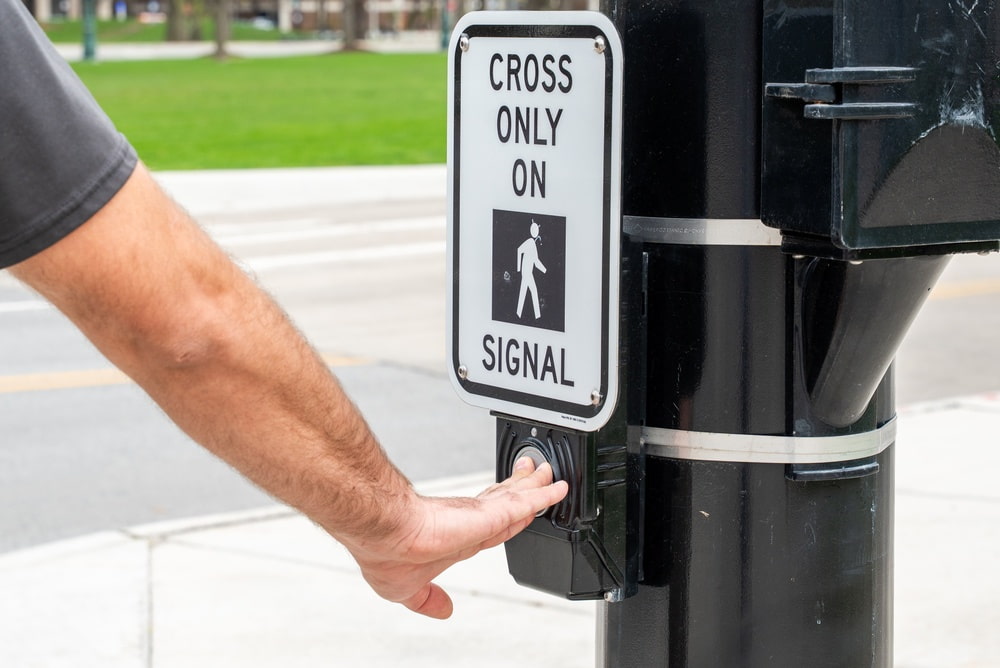
Injuries That Raise the Value of a Pedestrian Claim
Long-lasting injuries that need future care raise the value of a pedestrian claim the most.
Pedestrians have no metal frame, seat belt, or airbag between them and the vehicle, so injuries tend to be worse than in a car-to-car crash, even at neighborhood speeds. Head injuries, broken legs and hips, spinal damage, and deep road rash are common.
Proving Future Medical Needs
A fair settlement has to account for care you will need later, not only the bills already paid. Scott works with your treating doctors to document future surgeries, therapy, and limits on work, so the insurer cannot treat a long recovery as a short one.
That record also helps when a brain injury affects memory, mood, or concentration in ways an X-ray will never show.
When the Injured Pedestrian Is a Child
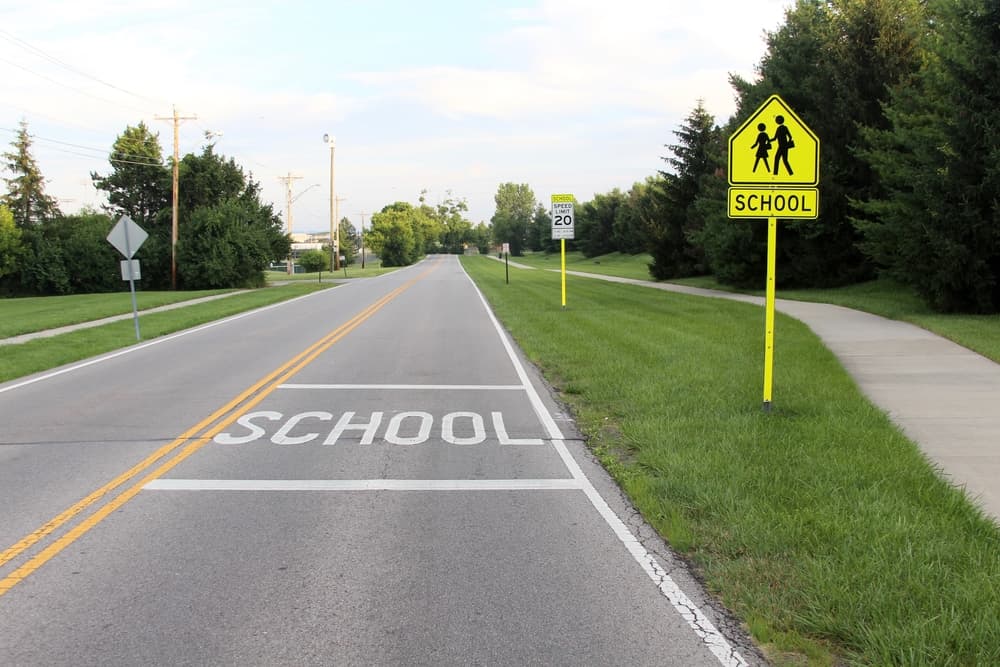
Children are among the most vulnerable people on foot near schools, parks, and neighborhoods, because drivers have a harder time seeing them and predicting where they will go.
In Texas, a child's own deadline to sue generally does not start until age 18, but a parent's claim for the child's medical bills follows the regular two-year rule, so families should not wait.
What If a City Vehicle or a Road Hazard Was Involved?
Claims against a city, county, or state agency follow tighter rules. The Texas Tort Claims Act generally requires written notice to the government within six months of the injury, and a city charter can set an even shorter window. The notice has to describe the injury, the incident, and when and where it happened.
Examples That Raise Government Claim Rules
These situations can shift part of the case toward a public entity:
- A city work truck, transit vehicle, or other government vehicle struck the pedestrian
- A broken walk signal or traffic light played a role
- A road hazard the government knew about contributed to the crash
Texas limits when government bodies can be sued, so not every road defect leads to a valid claim. Sending notice early keeps the option open while the facts are sorted out, and it costs nothing if the claim later points only at a private driver.
Working With Scott Templeton After a Pedestrian Accident
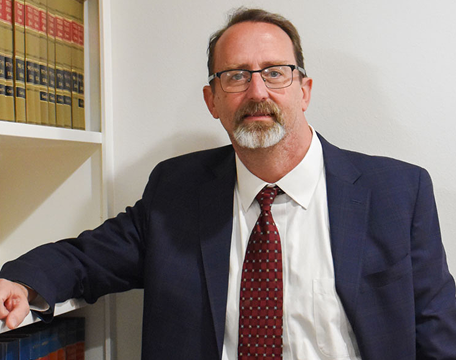
Templeton Law Firm's guiding idea is "Leveraging Decades of Experience to Protect Your Interests," and in pedestrian cases that experience shows up in the details. Scott Templeton is a San Angelo native with 25+ years of experience in West Texas, and he handles each case himself.
Here is what working with the firm looks like:
- One attorney, start to finish. Scott reviews the evidence himself instead of handing it off.
- English and Spanish. The attorney and staff are bilingual, so family members can follow every step.
- Insurance fluency. Scott also sues insurance companies over denied and delayed claims, which helps when an adjuster disputes your PIP or UM benefits.
- Local court familiarity. Cases filed here go to Tom Green County courts, where Scott regularly appears.
Some pedestrian cases involve an impaired driver, and Scott also handles drunk driving crashes that injure people on foot. Call +1 (325) 482-9120 or reach out online to schedule a consultation.
When Is It Too Late to File a Pedestrian Accident Claim in Texas?
Most pedestrian injury lawsuits in Texas must be filed within two years of the crash under Civil Practice and Remedies Code Section 16.003. The six-month government notice is far shorter and can apply even when the lawsuit deadline is months away.
Why the Real Clock Is Shorter
Evidence fades long before the legal deadline:
- Store and traffic cameras can overwrite footage within days.
- Skid marks, debris, and lighting conditions change quickly.
- Witnesses move or forget details.
Acting in the first weeks gives your claim its strongest footing. Scott can send preservation requests while you focus on treatment.
Get Help From a San Angelo Pedestrian Accident Lawyer
You were on foot, and the driver had the advantage of a two-ton vehicle. Your claim should not start at a disadvantage too.
Call Templeton Law Firm at +1 (325) 482-9120 or visit the office at 905 S. Abe Street in San Angelo.
Personal injury cases are handled on a contingency fee basis, so you pay no attorney's fee unless money is recovered for you.
FAQs: San Angelo Pedestrian Accident Claims
Here are answers to other questions people ask after being hit on foot.
What if I was hit by a car in a parking lot in San Angelo?
You can still bring a claim. Parking lots are private property, so some traffic rules apply differently, but every driver in a San Angelo lot still owes a duty to drive carefully and watch for people walking. The property owner may also share fault if poor lighting or layout contributed.
Can my family file a claim if a pedestrian accident was fatal?
Yes. Texas allows the surviving spouse, children, and parents of a person killed by a negligent driver to bring a wrongful death claim. The estate can also bring a separate survival claim for the person's own pain and medical bills before death.
A wrongful death lawsuit generally must be filed within two years of the death, and Scott handles these cases with care for the family's grief.
Can I recover if I had been drinking when I was hit as a pedestrian?
Possibly. Alcohol does not automatically bar a Texas pedestrian claim, but the insurer will use it to argue you share the blame, often by claiming you stepped into traffic without looking. Your recovery is reduced by your percentage of fault and is barred only if you are found more than 50% responsible.
Should I give a statement to the driver's insurance company after being hit?
No, you are not required to give the at-fault driver's insurer a recorded statement in Texas. Adjusters tend to ask early, before you know the full extent of your injuries, so it is wise to talk with a lawyer first and let them handle that contact.
How long does a pedestrian accident case take in Texas?
Many Texas pedestrian claims resolve in several months to a year, but serious injuries take longer. Cases with disputed fault or a government defendant also add time, because each side needs records and medical opinions before talks get serious.
A fair settlement waits until doctors know your long-term outlook. A case that goes to trial can take one to two years or more, depending on the court's schedule.